2026-05-20
Designing outdoor rooms that actually get used
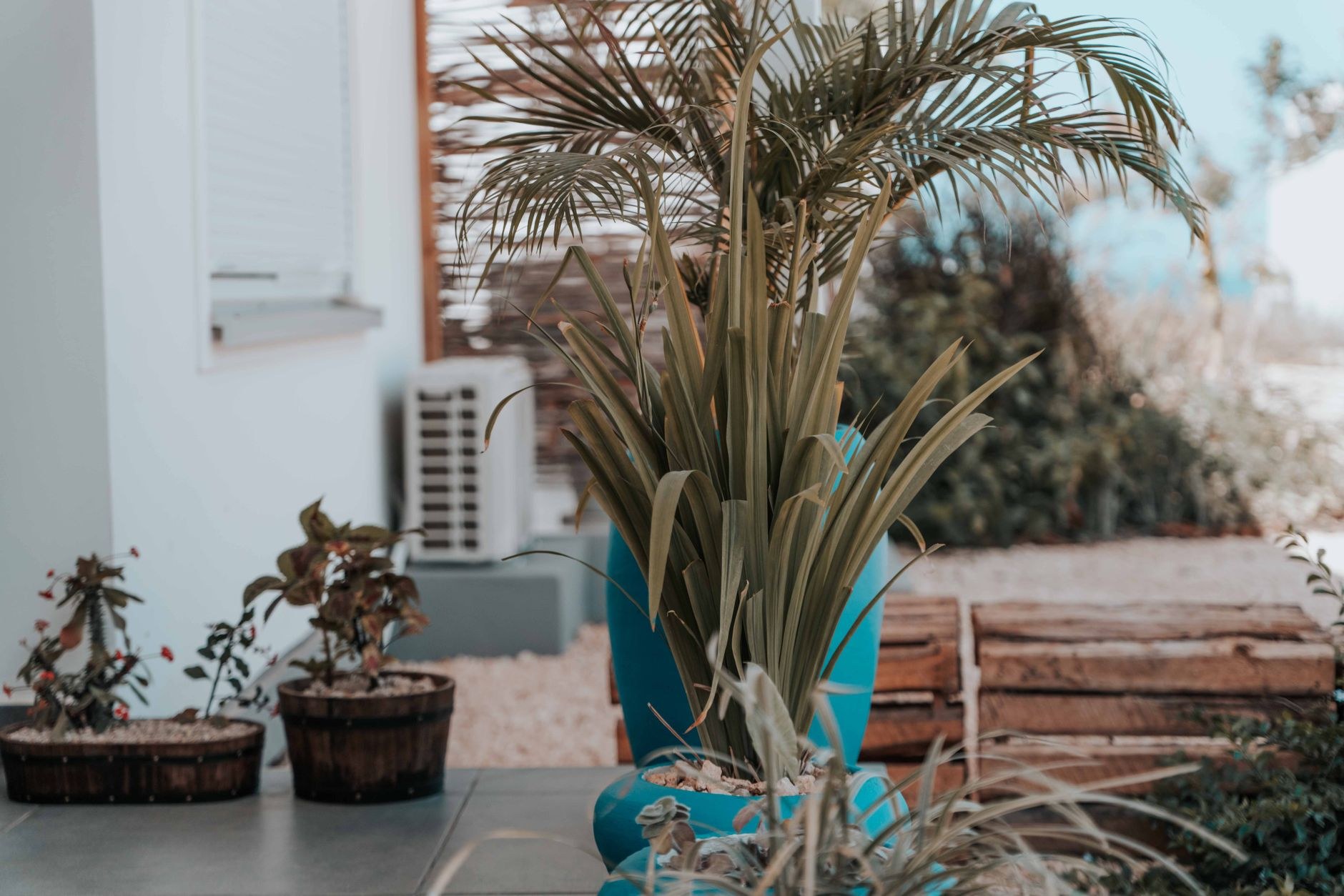
The gardens people use every day are almost never the biggest ones. They are the ones that feel like rooms — with a clear edge, a comfortable proportion, and a reason to stop and stay.
An outdoor room starts with enclosure. A wall, a hedge, a level change or even a generous tree canopy gives the space a sense of being somewhere rather than simply being outside. Without that edge, a courtyard reads as leftover space between the house and the boundary, and people pass through it rather than settle in it.
Proportion is the next thing we test. A seating area that is too large feels exposed; one that is too tight feels mean. We often mock up the footprint on site with stakes and string, then sit in it, because the right size is something you feel more than you measure.
Thresholds matter as much as the rooms themselves. The step down from the kitchen to the terrace, the gap in a hedge, the change from paving to gravel — these are the moments that tell you that you are moving from one kind of space to another. Designed well, they make a modest garden feel like a sequence of places.
Finally, every outdoor room needs a reason to be there: a fireplace, a long table, a view framed deliberately, the afternoon sun. Give people a reason to stop, and the garden stops being something you look at and becomes somewhere you live.